

Scaling exports is not simply increasing shipment volume. It requires operational maturity, partner stability, and structured systems. Sustainable growth balances expansion with risk control.
Structured Growth Strategy
Expansion into multiple regions requires phased market entry. As discussed in How One Local Producer Exported to Three African Countries, growth succeeds when supported by verified buyers and market validation. Engaging structured intermediaries through Solutions Services allows exporters to maintain consistency while expanding networks. Operational growth must integrate compliance checkpoints via Control Services and shipping scalability via Logistics Services. Scaling without systemization increases exposure to costly errors.
Financial Planning for Expansion
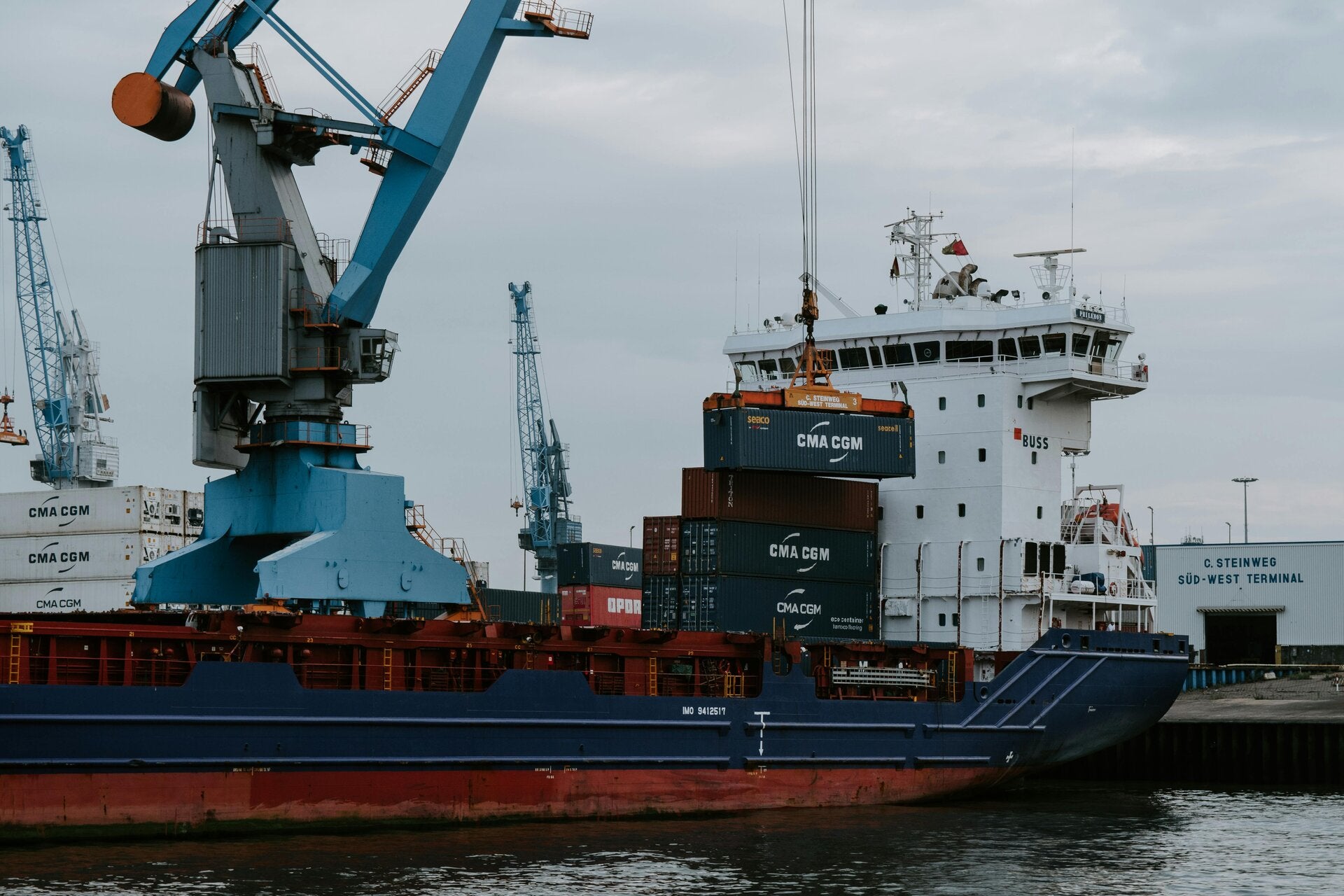
Sustainable scaling requires working capital forecasting, staggered payment models, and diversified market entry. Expanding too rapidly without liquidity planning can destabilize operations.
Long-Term Brand Positioning
Exporters should align growth with long-term positioning. Consistency in quality, documentation, and communication reinforces credibility across markets.
Scaling sustainably requires structure—not speed.

Scale With Structure and Stability
Global Trade Solution supports exporters ready to expand responsibly and sustainably.
Add comment
Comments