Your Trusted Partner for International Food Export from Africa to Global

We help food producers expand into new global markets with end-to-end logistics, customs clearance, and buyer matchmaking

30+ countries shipped to  |  7 product categories  |  2 offices (Hamburg + Cairo)

International business partnership and teamwork in global trade and export logistics services

A family business built on food, trade, and trust

Global Trade Solution was founded by four brothers with roots in Egypt and operations in Hamburg, Germany. We combine deep knowledge of African and Middle Eastern food markets with European logistics expertise — giving your products a real competitive edge in new territories.

We don't just move goods. We build trade relationships that last.  Discover how we do it — from managing cold chain logistics for food export to developing a food export market entry strategy for new regions.

Our Services

End-to-end food export services — from sourcing to delivery

Everything your export operation needs, under one roof.

Solutions

international business partnership for export solutions and global trade services

 Supplier & buyer matchmaking

We identify and vet the right partners for your product — whether you're a producer looking for African importers or a buyer sourcing quality European food.

Logistics

international logistics services cargo shipping containers global supply chain

Reliable food export logistics

From packaging and warehousing to customs clearance and last-mile delivery, we manage the full supply chain so your goods arrive on time and in perfect condition. Read our practical guide on reducing delays in food export shipping.

Control

quality control inspection for food export products international standards

Quality control & compliance

We verify certifications, inspect shipments, and prepare all trade documentation to ensure your products meet every regulatory requirement — in Europe and at the destination market.

Product Categories

Food products we export globally

From staple grains to premium processed foods — we handle export logistics across 7 major food categories.

Grains

Bulk grain export — wheat, rice and corn ready for international shipment

Wheat or rice bags in a warehouse / grain silo aerial

Fish & Meat

Frozen fish and meat export — cold chain logistics for protein products

Frozen fish fillets or vacuum-packed meat in cold storage

Poultry

Halal poultry export — certified chicken products for African and Middle Eastern markets

Packaged halal chicken on a production line

Canned Goods

Canned food export — shelf-stable products for long-distance international shipping

Rows of canned tomatoes, fish, or fruit in a warehouse

Beverages

Non-alcoholic beverage export — juices and drinks for African distribution

Juice bottles or water on a pallet ready for shipping

Processed Meats

Processed meat export — packaged cold cuts and sausages for international food trade

Vacuum-packed cold cuts or sausages in a chilled display

Nuts

Nut and seed export — almonds, cashews and pistachios for global markets

Mixed nuts in packaging or bulk bags

Why Choose Us

Why food exporters choose Global Trade Solution?

Expertise in food export & international trade

Strong network across Africa & Middle East

Reliable logistics and fast delivery

Full transparency and quality assurance

Customized solutions for your business

Global Trade Solution team reviewing international food export documentation and compliance standards

How it works

How we get your food products to global markets

Free consultation — we learn your product, market goals, and compliance needs

Market & buyer matching — we identify qualified importers and distributors

Logistics & customs — we manage packaging, shipping, and all documentation

Delivery & follow-up — your goods arrive safely; we track every milestone

Client testimonials

What our clients say about working with us

Working with Global Trade Solution transformed how we reach African markets. Their customs expertise and personal service are genuinely exceptional." 

Elena M., Import Manager, Germany

"We cleared customs in record time on our first shipment with Global Trade Solution to West Africa. Professional, responsive, and incredibly reliable."

Thomas K., Food Manufacturer

"Working with Global Trade Solution has helped us distribute our products worldwide. Their professional service and quick processing have truly impressed us."

Abraham Ali, Import Manager, USA

FAQ

Frequently asked questions about food export

What does a food export company actually do?

A food export company manages the entire process of moving food products from a producer in one country to buyers in another. This includes finding qualified buyers, arranging freight and customs clearance, preparing all required documentation, ensuring regulatory compliance, and coordinating delivery. At Global Trade Solution, we handle all of these stages under one roof — so producers can focus on making great food while we handle the complexity of getting it to global markets.

→ Explore our full service offering

Which countries can you export my food products to?

We primarily export to markets across Africa and the Middle East — including Nigeria, Ghana, Senegal, Ivory Coast, Kenya, Egypt, Morocco, Saudi Arabia, and the UAE. We also handle shipments to other regions on request. Our strongest trade corridors are West Africa, North Africa, and the Gulf states, where we have established buyer networks and regulatory knowledge. Contact us with your target market and we will confirm availability and advise on requirements.

→ See all industries and markets we serve

How do I start exporting food products internationally?

Starting food export involves five key steps: (1) identifying a viable target market with demand for your product, (2) understanding that market's import regulations and certification requirements, (3) finding qualified, vetted buyers or distributors, (4) arranging compliant logistics and documentation, and (5) managing customs clearance at both origin and destination. Working with a specialist trade partner like Global Trade Solution significantly reduces the time, cost, and risk of each step — especially for first-time exporters entering African or Middle Eastern markets.

→ Learn about our trade solutions service

How long does international food shipping take?

Delivery time depends on the shipping method and destination. Sea freight to West Africa typically takes 10–21 days from a European port; East Africa and the Middle East 14–28 days. Air freight is significantly faster at 2–7 days door-to-door but is more expensive and suited to perishable or urgent shipments. We advise the optimal method based on your product type, shelf life, volume, and budget — and provide realistic timelines before every shipment.

→ Explore our logistics service

How much does it cost to export food internationally?

Export costs vary based on product type, volume, destination, and shipping method. The main cost components are: freight (sea or air), export packaging, documentation and certification fees, customs clearance charges at origin and destination, cargo insurance, and our service fee. A 20-foot container of dry goods to West Africa typically ranges from €2,000–€5,000 in freight costs, excluding product. We provide a full cost breakdown with no hidden fees before any commitment. Request a free quote via our contact page.

→ Request a free export cost estimate

Sea freight or air freight — which is better for food export?

Sea freight is the right choice for most food exports — it is significantly more cost-effective for bulk volumes and suits shelf-stable products like grains, canned goods, nuts, and beverages. Air freight is the better option for perishable or time-sensitive products (fresh produce, seafood, premium meats) where speed outweighs cost. Some exporters use air freight for initial trial shipments to a new market, then transition to sea freight once demand is established. We help you evaluate both options and recommend the most efficient route for your specific product and destination.

→ Read our sea vs air freight guide

What documents are required for food export?

The standard documents required for international food export include: Commercial Invoice, Packing List, Bill of Lading (sea) or Airway Bill (air), Certificate of Origin, Health Certificate (for animal-based products), Phytosanitary Certificate (for plant-based products), Certificate of Conformity, and destination-specific import permits. For Middle Eastern and some African markets, a Halal Certificate is also required. The exact set varies by product type and destination country. Our compliance team prepares and verifies all documentation before every shipment.

→ Learn about our compliance and documentation service

What are Incoterms and which one should I use?

Incoterms (International Commercial Terms) are standardised codes that define who bears cost and risk at each stage of an international shipment. The most common for food exporters are: FOB (Free On Board — seller delivers to port, buyer handles freight and import), CIF (Cost, Insurance, Freight — seller covers shipping and insurance to buyer's port), and DDP (Delivered Duty Paid — seller handles everything to buyer's door). For new exporters, FOB or CIF are the most balanced starting points. We advise the right Incoterm for each trade relationship and destination market.

→ Read our full Incoterms guide

Is halal certification required for food export to Africa and the Middle East?

Halal certification is mandatory for all meat, poultry, and animal-derived products exported to Muslim-majority markets — which includes most of West Africa, North Africa, and the entire Middle East. For plant-based products and beverages, halal certification may be required depending on ingredients (particularly additives and flavourings). We work exclusively with halal-certified suppliers for relevant product categories and can advise on whether your specific product requires certification for your target market.

→ See halal requirements by product category

Latest blog posts

Insights on international food trade and export strategy

Cost Optimization Strategies in Food Export

Mar 25, 2026

Profitability in food export is not only driven by sales volume—it depends heavily on cost control. Many exporters lose margins due to inefficient logistics, poor planning, and hidden operational expenses.

Quality Assurance Systems in Food Export

Mar 25, 2026

In international food trade, quality is not just a requirement—it is a guarantee of trust. Buyers expect consistency, safety, and compliance across every shipment.

Food Export Market Entry Strategy Guide

Mar 19, 2026

Expanding into new international markets is one of the most powerful growth opportunities for food exporters. However, entering a new market without a structured strategy exposes businesses to regulatory, financial, and operational risks.
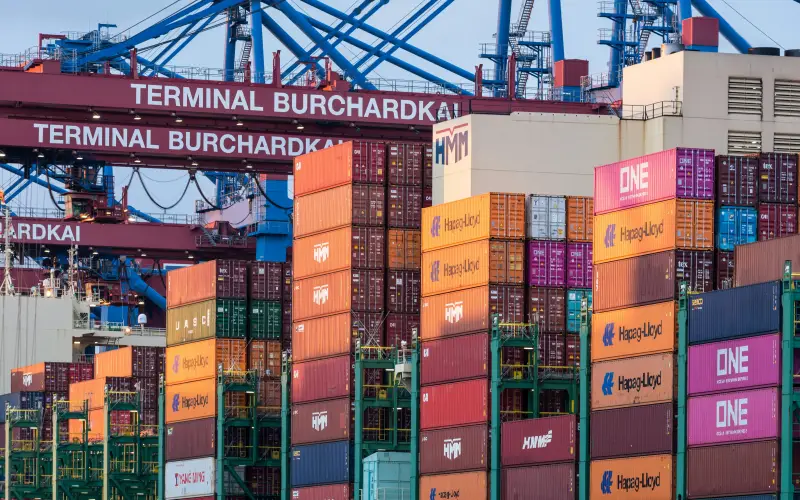
Reducing Delays in Food Export Shipping

Mar 19, 2026

Shipping delays are one of the most common and costly challenges in international food export. Even minor disruptions can impact product quality, increase storage costs, and damage buyer relationships.

Ready to take your food products global?

Tell us about your product and target market — we'll build a custom export strategy together. No obligation, no jargon.