

Market entry · 8 min read
Germany is one of the world's largest food producers and exporters, and Hamburg is the country's principal gateway for goods moving to Africa, the Middle East, and beyond. For German food producers considering international export for the first time — or looking to expand an existing export operation into new markets — this guide provides a complete overview of the framework, resources, and support infrastructure available specifically within Germany.
This article is different from our market-specific guides (Nigeria, Egypt, Saudi Arabia, UAE, and Ghana) — it focuses on the German side of the equation: what support exists domestically, how Hamburg's position benefits exporters, and how to structure an export operation from a German base. Global Trade Solution is itself a Hamburg-based company, and our logistics, compliance, and trade solutions services exist specifically to help German and European producers navigate this process.
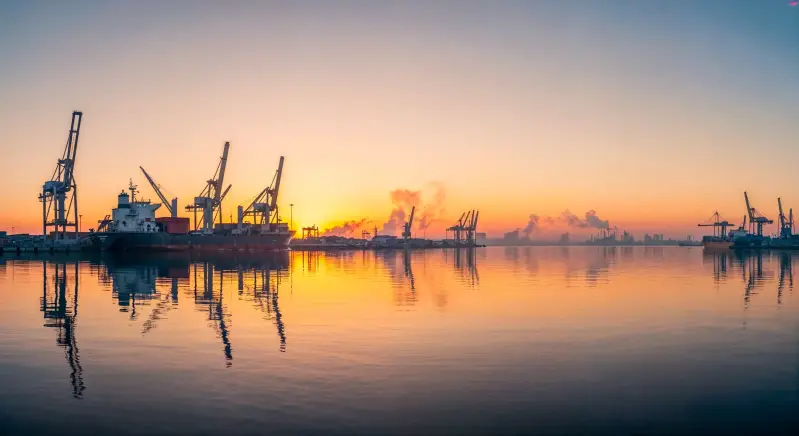
Why Hamburg is Germany's food export gateway
#1
Germany's largest port by container volume
3rd
Germany's ranking as a global food exporter
130+
Countries directly connected via Hamburg shipping lines
Central EU
Position for inland distribution and consolidation
Hamburg's position as a major European container port with direct shipping lines to Africa, the Middle East, and beyond makes it a natural base for food export operations. Reefer container infrastructure, established freight forwarder networks, and proximity to major German food production regions (Lower Saxony, Schleswig-Holstein, and beyond) all support efficient export logistics from origin to port.
The German support infrastructure for food exporters
🏛️ AHK Network (Auslandshandelskammern)
Germany's bilateral chambers of commerce operate in over 90 countries, providing market entry support, buyer introductions, and regulatory guidance specifically for German exporters. AHK Nigeria, AHK Egypt (via AHK MENA), and similar chambers in target markets are valuable first points of contact.
🏛️ GTAI (Germany Trade & Invest)
The federal government's trade and investment promotion agency publishes detailed country market reports, regulatory updates, and connects German exporters with in-market resources and contacts across target regions.
🏛️ BVE (Bundesvereinigung der Deutschen Ernährungsindustrie)
The German Food Industry Association represents food producers nationally and provides export-focused resources, member networking, and industry advocacy on trade policy.
🏛️ EU Export Framework
As an EU member state, German exporters benefit from EU trade agreements (e.g. EU-Egypt Association Agreement preferential duties) and standardised EU health certificate and food safety frameworks recognised across most destination markets.
Where German food producers are exporting most
Through our Hamburg base, GTS manages export corridors across the following markets — each covered in full detail in our market-specific guides:

Nigeria

Ghana

Egypt

Saudi Arabia

UAE

Senegal
What every German food producer needs before their first export shipment
- EU facility certification (BRC or IFS) — the foundation credential recognised across nearly all destination markets, though not automatically sufficient on its own for market-specific requirements
- Health certificate process established — confirmed with your regional veterinary or food safety authority for animal-derived products
- Halal certification, if applicable — see our halal certification guide for authority recognition across target markets
- Documentation compliance library — covered fully in our documentation compliance guide
- A logistics partner with Hamburg-based freight relationships — see our guide to reliable logistics partners
- A target market entry strategy — see our market entry strategy guide for the full five-phase framework
💡 The Hamburg advantage compounds with an integrated partner
German producers who work with a Hamburg-based, integrated trade partner — rather than assembling separate freight forwarders, compliance consultants, and market agents themselves — consistently report faster market entry and fewer operational surprises. Being physically close to your logistics and compliance partner, in the same time zone and business culture, removes a layer of friction that producers working with distant intermediaries often underestimate.
Our integrated trade services guide explains this model in full, and our food export FAQs address the most common questions from German producers starting their export journey.
Ready to start exporting your food products internationally?
Global Trade Solution is a Hamburg-based food export specialist managing logistics, compliance, and buyer relationships for German producers across Africa and the Middle East.
Add comment
Comments