

Market entry · 7 min read
Ghana is one of the most accessible and operationally straightforward food export markets in West Africa — a strong first-market choice for European producers building their compliance infrastructure before tackling higher-complexity markets like Nigeria. Ghana's port-level clearance system, without the extensive pre-registration burden NAFDAC imposes, means European exporters can reach first shipment significantly faster while still building genuine market presence in a growing, politically stable West African economy.
This guide covers Ghana FDA requirements, Tema port logistics, and the complete entry process — as part of our broader West Africa export guide series. Our food export trade solutions service manages Ghana market entry for European producers end-to-end.
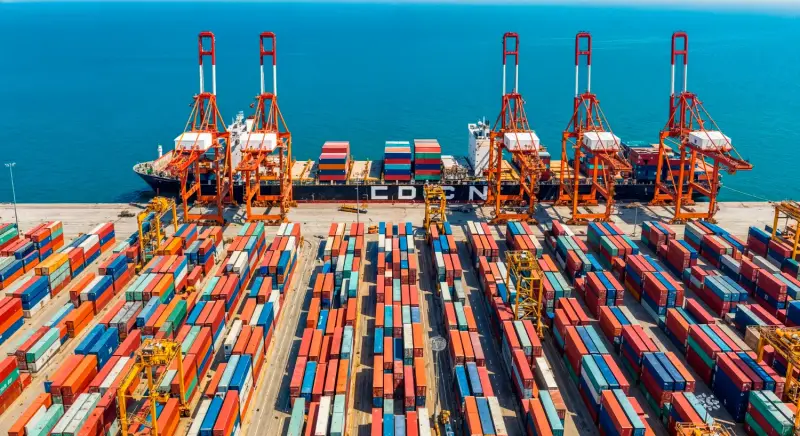
Why Ghana — the market opportunity
34M
Population — steadily growing, politically stable West African economy
3-8 days
Tema port clearance — one of West Africa's most efficient
No pre-reg
Most categories cleared at port, not via lengthy pre-registration
Strong retail
Growing modern retail sector in Accra and Kumasi
Best-selling food product categories in Ghana
| CATEGORY | WHY IT WORKS | DEMAND |
|---|---|---|
| Frozen fish and seafood | High-volume staple protein category with consistent, year-round demand across all income levels. | Very High |
| Canned goods (tomatoes, fish) | Daily cooking staples — European quality reputation supports premium positioning over lower-cost alternatives. | Very High |
| Dairy products | Growing urban demand for UHT milk and dairy beverages, particularly in Accra's expanding modern retail sector. | High |
| Processed meats | Rising demand for sausages and processed meat products in urban retail and food service. | High |
| Edible oils | High-volume staple import category with consistent demand across the country. | Very High |
Regulatory framework — Ghana FDA and veterinary permits
🏛️Ghana Food and Drugs Authority (FDA)
Pre-registration
Not required for most food categories — Ghana FDA inspects and tests products at the port rather than requiring advance registration, significantly reducing the pre-entry compliance timeline compared to Nigeria's NAFDAC system.
Veterinary import permit
Required for all animal-derived products, issued by the Veterinary Services Directorate. Apply at least 3-4 weeks before vessel departure — failure to obtain this before shipment results in cargo being held at Tema pending permit issuance.
Halal certification
Not a universal regulatory requirement, but commercially important for meat products targeting Ghana's significant Muslim population, concentrated in the north and among urban Muslim buyers.
Aflatoxin testing
Required for nuts, cereals, and dried fruits — test certificates from the exporting country support faster clearance.
English Labelling
Country of origin, ingredients, net weight, manufacturer details, and best-before date all mandatory. Ghana FDA inspects labels at port.
Veterinary Permit
Must be obtained before shipment departure — not something that can be arranged after the fact.
Aflatoxin Certificate
Test certificate for aflatoxin levels required for dried fruits, nuts, and cereal products.
Logistics — Tema Port, a comparatively efficient West African gateway
- Transit time Hamburg to Tema: 14-20 days by sea
- Customs clearance: 3-8 days average — significantly better than Lagos Apapa, making Tema a reliable choice for planning delivery commitments
- Cold chain: good cold storage infrastructure at Tema, though pre-confirming reefer power arrangements is still recommended for frozen shipments, per our cold chain logistics guide
- Payment structure: Documentary Collection (D/P) is the standard starting instrument for new Ghanaian buyers — see our payment security guide
The step-by-step Ghana entry process
STEP 1 · WEEKS 1–4
Veterinary permit and compliance preparation (for animal products)
Apply for the veterinary import permit well ahead of any shipment commitment — this is the one item with a hard external timeline dependency.
STEP 2 · WEEKS 2–6 (PARALLEL)
Buyer identification in Accra
Apply the standard verification framework from our buyer verification guide — Ghana's more accessible entry requirements mean a broader range of buyer types (wholesale, modern retail) are viable first partners.
STEP 3 · WEEKS 4–8
Logistics setup and commercial agreement
Confirm freight booking and commercial terms, then run the full pre-shipment planning process.
STEP 4 · FROM WEEK 8
First shipment execution
Tema's more efficient clearance process means fewer surprises at port compared to higher-complexity markets — still run the full pre-departure document audit regardless.
💡 Why Ghana is often the recommended first African market
For European producers new to exporting to Africa entirely, Ghana's combination of straightforward regulatory entry, efficient port clearance, and political stability makes it one of the lowest-friction ways to build genuine operational experience — certificate preparation, buyer relationship management, logistics coordination — before tackling a higher-complexity market like Nigeria or Egypt.
Our food export FAQs and compliance team can help assess your product's Ghana readiness.
Ready to enter the Ghanaian food market?
Global Trade Solution manages veterinary permits, buyer introductions, and logistics across Ghana. Based in Hamburg, Germany.
Add comment
Comments