

In international food trade, quality is not just a requirement—it is a guarantee of trust. Buyers expect consistency, safety, and compliance across every shipment.
Without a structured quality assurance system, exporters risk product rejection, financial loss, and long-term reputational damage.
Global organizations such as the Food and Agriculture Organization (FAO) emphasize that quality control must extend across the entire supply chain—not just production.
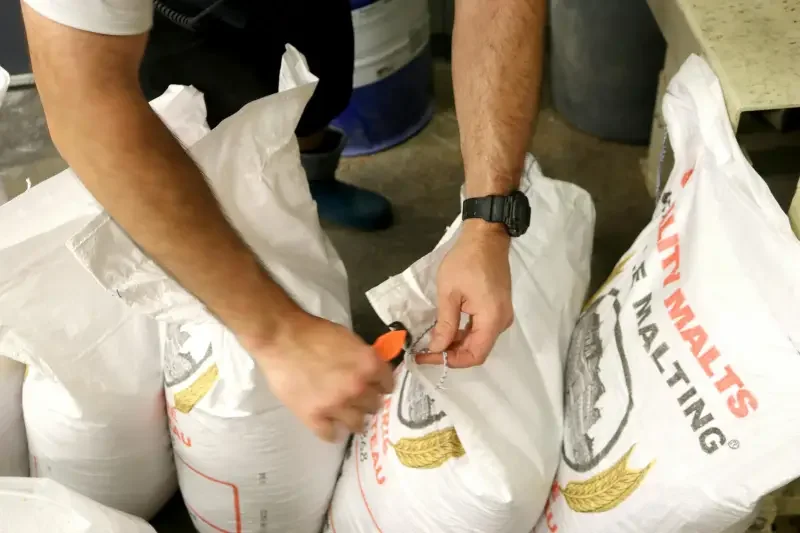
What Is a Quality Assurance System in Export?
A quality assurance (QA) system is a structured process that ensures food products meet safety, regulatory, and buyer-specific requirements.
This includes:
- product inspection
- supplier verification
- packaging standards
- documentation accuracy
A strong QA system works in alignment with logistics and compliance processes, supported by Global Trade Solution compliance services to ensure consistency across shipments.
These principles are also reinforced in Quality Control in Food Export: Protecting Brands Beyond Borders, where quality is positioned as a competitive advantage.
Key Components of an Effective QA System
1. Pre-Shipment Inspection
Before exporting, products must be inspected for:
- quality consistency
- packaging integrity
- labeling accuracy
This reduces the risk of rejection at destination ports.
2. Supplier and Production Verification
Exporters must ensure that suppliers follow standardized production processes and meet required safety standards.
International frameworks from the International Organization for Standardization (ISO) provide guidelines for maintaining quality management systems across industries.
To reduce supplier-related risks, businesses often implement structured supplier verification processes, ensuring reliability across the supply chain.
3. Documentation and Compliance Alignment
Quality assurance is closely linked to documentation accuracy. Even high-quality products can be rejected due to incorrect paperwork.
Exporters should integrate QA systems with structured export documentation processes to ensure consistency between product quality and regulatory compliance.
This becomes especially important when entering regulated markets, as explained in Key Regulations Exporters Must Know for African Markets.
How QA Systems Strengthen Buyer Relationships
Consistency builds trust.
When buyers receive products that meet expectations every time, they are more likely to increase order volume and establish long-term contracts.
Reliable delivery also plays a major role. Coordinated shipments through professional logistics support services help ensure that quality is maintained throughout the journey.
These relationship dynamics are explored further in Building Trust Between Food Exporters and International Buyers, where consistency and transparency drive repeat business.
Quality assurance is not a one-time process—it is a continuous system that protects your brand in international markets.
Exporters who invest in structured QA systems gain competitive advantage, reduce risks, and build lasting global partnerships.
Ensure Consistent Export Quality
Global Trade Solution helps exporters implement strong quality assurance systems across their operations.
Add comment
Comments