

Shipping delays are one of the most common and costly challenges in international food export. Even minor disruptions can impact product quality, increase storage costs, and damage buyer relationships.
For exporters working with perishable goods, time is not just a factor—it is a risk variable. Reducing delays requires proactive planning, structured logistics coordination, and precise documentation.
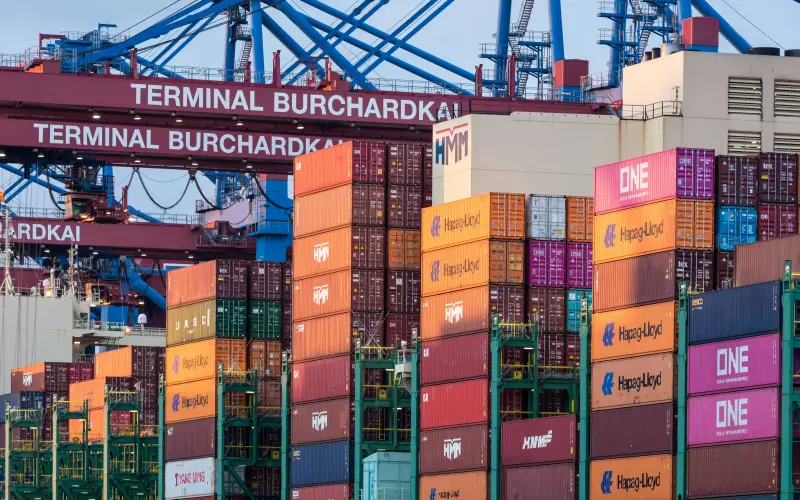
Main Causes of Export Shipping Delays
Shipping delays typically occur due to a combination of operational and regulatory issues:
-
Incomplete or incorrect documentation
-
Port congestion and customs bottlenecks
-
Poor coordination between stakeholders
-
Inaccurate shipment scheduling
Port congestion and customs bottlenecks remain one of the most common causes of delays in international shipping. According to World Trade Organization global trade reports, inefficiencies at ports and border procedures significantly impact delivery timelines and increase operational costs.
Many of these challenges can be avoided by working with experienced partners through Global Trade Solution logistics coordination services, ensuring shipments are planned with realistic timelines.
Additionally, documentation-related delays are explored in Export Compliance Explained: Why Documentation Matters More Than You Think, where accuracy directly impacts clearance speed.
How Documentation Accuracy Prevents Delays
Incorrect paperwork is one of the leading causes of shipment holds.
Exporters must ensure:
-
Consistency across all documents
-
Correct HS codes and product descriptions
-
Compliance with importing country requirements
Working with Global Trade Solution compliance services ensures documentation is verified before shipment, reducing inspection risks.
Proper documentation must also align with shipping responsibilities outlined in A Beginner’s Guide to Incoterms in Food Export.
The Role of Logistics Planning
Efficient logistics planning reduces uncertainty.
Exporters should focus on:
-
Selecting optimal shipping routes
-
Avoiding peak congestion periods
-
Coordinating with reliable freight partners
Professional coordination through Global Trade Solution supply chain solutions ensures better scheduling, route optimization, and contingency planning.
Efficient logistics planning reduces uncertainty and helps exporters anticipate disruptions. International shipping standards and safety regulations outlined by the International Maritime Organization play a critical role in ensuring safe and timely cargo movement across global routes.
Technology also plays a growing role, as discussed in How Technology Is Revolutionizing Food Export Logistics.
Strengthening Buyer Communication
Clear communication with buyers helps manage expectations when delays occur.
Providing updates, tracking information, and contingency plans builds trust and reduces friction.
This aligns with best practices highlighted in Building Trust Between Food Exporters and International Buyers.
Shipping delays cannot always be avoided—but they can be controlled.
Exporters who combine strong documentation, strategic logistics planning, and clear communication significantly reduce operational disruptions and maintain buyer confidence.
Exporters can also benefit from global trade insights and logistics best practices provided by the International Trade Centre, which offers data-driven resources to improve export performance and reduce operational risks.

Ship Smarter, Not Slower
Partner with Global Trade Solution to improve delivery timelines and supply chain efficiency.
Add comment
Comments